

A Benedictine Curriculum: Towards a True Conversion of Life
We must look towards the cultivation of virtues beyond mere book learning, catechesis, sermons, etc., because it is in the living of life in the unspoken for moments of every breath and the routines of our days, that the lessons of the Gospel actively reshape the soul (Job 23: 10).
By reading the Gospel, or Sacred Science of Theology, as if one were cramming for an exam, we risk being those who have ears and do not truly listen: "And the prophecy of Isaias is fulfilled in them who saith: By hearing you shall hear, and shall not understand: and seeing you shall see, and shall not perceive. For the heart of this people is grown gross, and with their ears they have been dull of hearing, and their eyes they have shut: lest at any time they should see with their eyes, and hear with their ears, and understand with their heart, and be converted, and I should heal them." (Matthew 13:13).
How do we know if our heart has grown gross? If our hearing is all that clear?
St. James the Great, a blood relative and Apostle of Our Lord, would further caution the faithful to not stand idle in grace: "But be ye doers of the word, and not hearers only, deceiving your own selves" (James 1:22).
What we confront then is the direct admonition of Our Lord Jesus Christ as taken to heart by Holy Father Benedict of Nursia (AD 480-547) in forming a new way of life radically centered around the Gospel: "Having given us these assurances, the Lord is waiting every day for us to respond by our deeds to His holy admonitions; and the days of this life are lengthened and a truce granted us for this very reason, that we may amend our evil ways."
What Holy Father Benedict had envisioned was a life of total devotion to Jesus Christ and the fulfillment of His Law (Luke 8:21). Taken as such, nothing in history rivals the dedication and pursuit of perfection as does the monastic vocation.
____________________________________________________________________________________________________________________________________________
**WHAT I HAVE DOCUMENTED BELOW IS A YEAR-LONG COMMITMENT, BEGINNING IN ADVENT, TO THE SENTIMENTAL EDUCATION AND GRAMMAR OF HOLINESS OF ST. BENEDICT OF NURSIA**
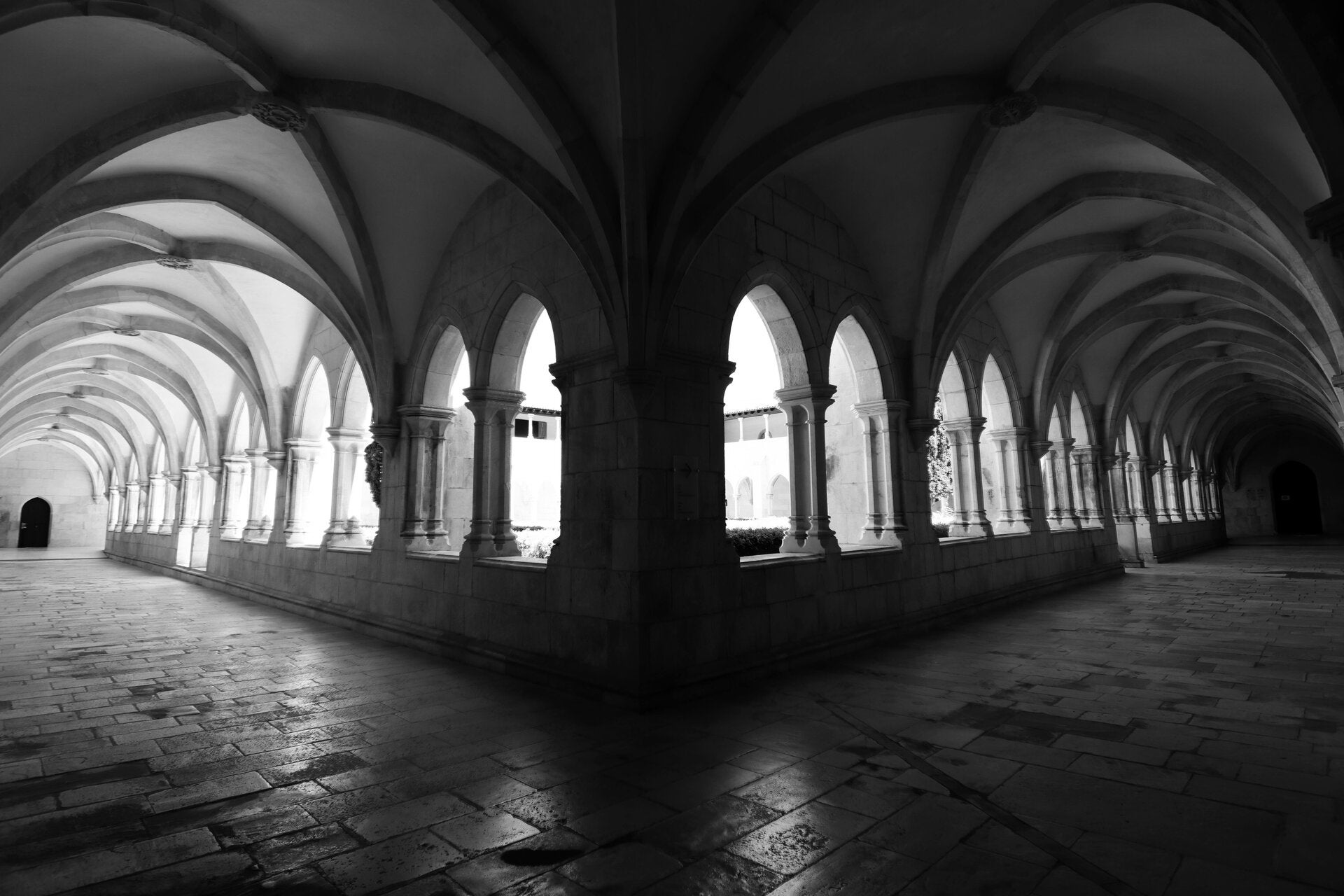
The Holy Rule of St. Benedict: On the Conduct of Coenobitic Life
To aid his fellow monks against the vices he had witnessed in the East, Father Benedict of Nursia composed his Holy Rule. A chapter of the Rule is traditionally read every day in each Benedictine monastery. All these 73 chapters are to be read in a full cycle, three times a year.
Moreover, there is a tradition of ongoing commentary on the Holy Rule for the spiritual enlightenment of those subject to its yoke.
I will be diligent in sourcing these commentaries as they try to draw out insights from one of the oldest living continuing documents of governance in all of Western Civilization.
This tradition of commentary is not redundant, but of practical necessity as the Benedictine rule of life has been adapted to new times and places for nearly 1500 years. Therefore, its faithful implementation required some development in its own right so as to be more faithfully followed in times of confusion and upheaval. Lately, this has been reapplied in the lives of the laity, especially the oblates.
Whatever the case, this blog will reflect my syntheses of the daily lesson with that of the Psalter and the progression of the Liturgical Year where I will draw upon Thomas Aquinas' Summa Theologiae to deepen these connections with the Gospel.
As an analogue, we will consider the Divine Office together with the Holy Mass (as outlined in the Roman Missal) and examine its wealth of meaning as charted out in Fr. Jean Jacques Olier's The Mystical Meaning of the Ceremonies of the Mass (1657) alongside the work of Fr. Adrian Fortescue and others.
The purpose of the Holy Rule is not to be a "nice person" so much as a holy person (see Blessed Fulton Sheen's sermon on "Nice People", here).
The Divine Office: The Heartbeat of the Church and the Life-Giving Pulse of the Monastic Vocation
The pride of place in the Holy Rule goes to the conduct of the Divine Office where the monk says the office in unison with his brothers 8 times a day (7 times of the "diurnal" and one hour of the "nocturnal").
Of the 73 chapters of the Holy Rule, a dozen of them is devoted exclusively to the conduct of the Divine Office. It holds a preeminence in the Benedictine life that is second to nothing.
The Divine Office, or Breviary (recently rebranded as "the Liturgy of the Hours") is "considered in a general way...the collection of symbols, chants, and actions by means of which the Church expresses and manifests her religion towards God. Consequently, liturgy is not simply
prayer, but rather prayer considered in its social dimension. An individual prayer, offered in the name of an individual, is by
no means liturgy" (from the Liturgical Institutions of Dom Prosper Guéranger, pub. 1840-1851).
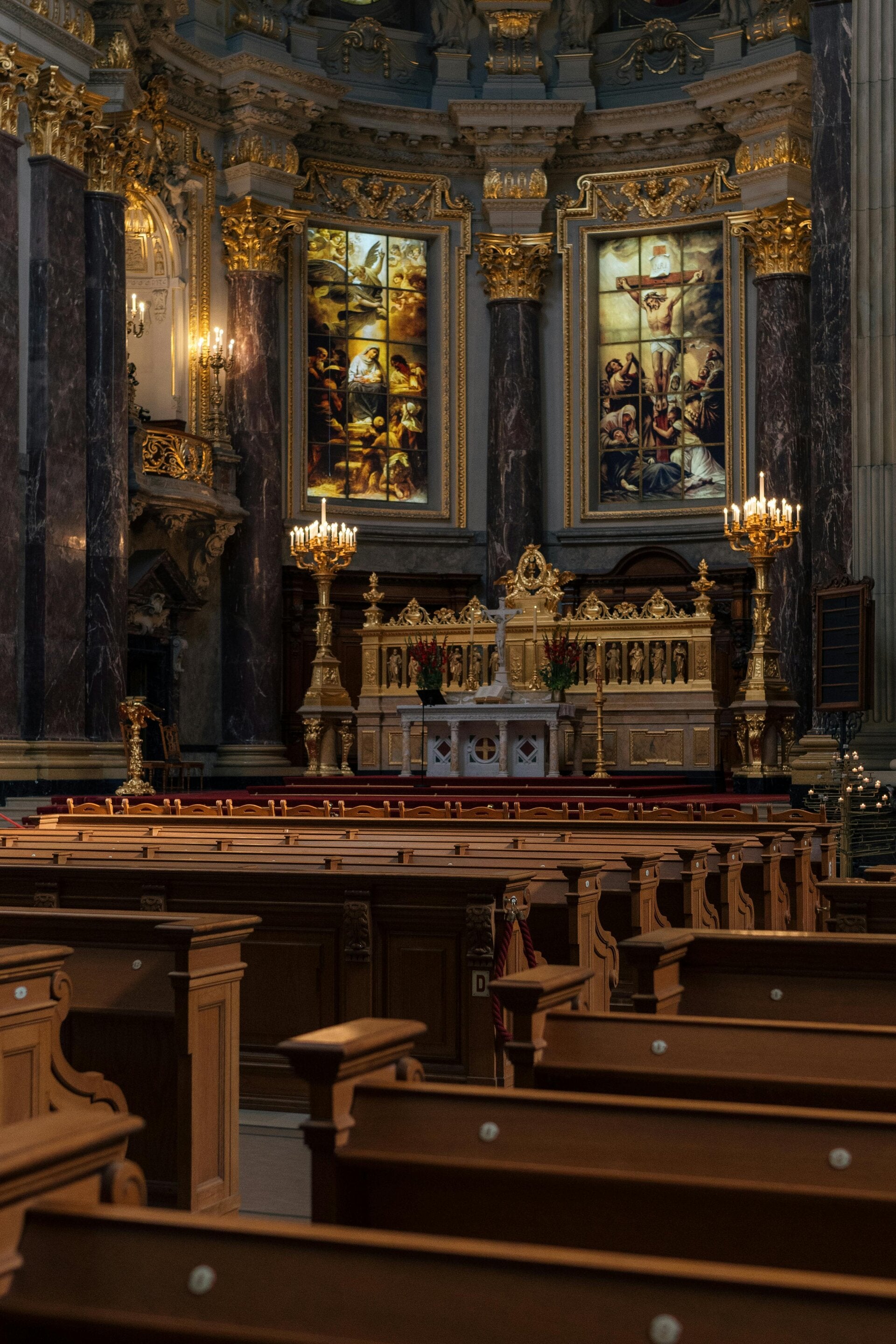
The Modes of Sanctification: Chantsong as "Praying Twice."
I will also journal about my efforts to become competent in Sacred Chant (as developed by Gregorian Chant Academy) and to point out any musicological or hymnological insights to develop a theological aesthetics and ethics of piety and "right worship" from close readings of the Holy Rule and the daily practice of the Divine Office.